Easy Crochet Celtic Weave Basket Free Pattern
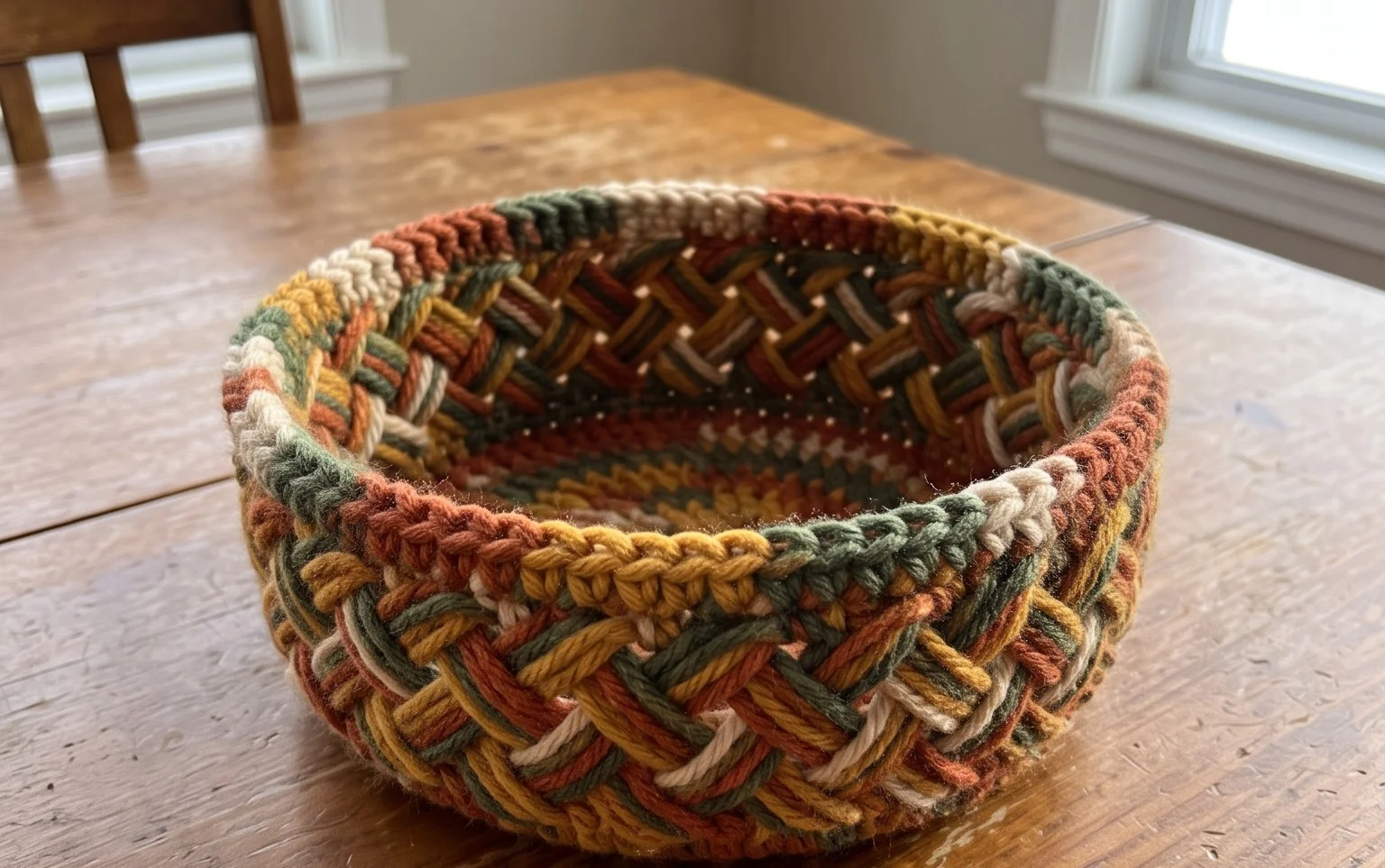
A thick, sturdy base makes this basket stand upright on any flat surface while the interlaced cables provide a striking, dense texture that holds its shape under heavy use. This project suits makers who enjoy rhythmic, repetitive stitches that build into a functional household item for storing yarn, magazines, or small toys. You will master the front post treble stitch to create the overlapping look that defines the design, turning simple yarn into a durable container. Beginners often find the process meditative once the pattern repeats settle in, providing a sense of accomplishment by finishing a useful, handmade piece for home organization.
Why You’ll Love This Pattern
This classic crochet dishcloth relies on the moss stitch to create a dense, squishy texture that excels at scrubbing dishes. Because it uses a simple repeat of chains and single crochets, it is an ideal project for practicing consistent tension without needing to keep track of complex stitch patterns. You can complete a cloth in under two hours, making it a reliable choice for last-minute housewarming gifts. Using cotton yarn ensures the finished piece remains absorbent and durable enough to withstand daily washing machine cycles.
I managed to finish three of these during a weekend movie marathon. The pattern is incredibly easy to memorize and the texture holds up perfectly against stubborn grease on my pans.
— Sarah, home cook
Pattern Overview & Skill Level
- Skill Level: Beginner
- Approximate Time: 1.5 to 2 hours
- Construction: Worked in flat rows, turning at the end of each row to maintain a straight edge.
- Finished Dimensions: 8 inches by 8 inches
Materials & Supplies Needed
- Yarn: Worsted weight (#4) 100% cotton yarn, approximately 75 yards.
- Hook Size: 5.0 mm (H-8).
- Notions: Tapestry needle for weaving in ends, scissors, and an optional stitch marker for tracking rows.
- Safe yarn substitutions: You may use a cotton-linen blend for increased durability, though this may make the fabric feel slightly stiffer than 100% cotton. Avoid acrylic yarns, as they are not absorbent and will not perform well for kitchen tasks.
Stitch Guide & Abbreviations (US Terms)
- ch: chain
- sc: single crochet
- st/sts: stitch/stitches
- sk: skip
- Moss Stitch: A pattern created by working single crochet into the chain-one space of the previous row.
Step-by-Step Pattern Instructions
Main Dishcloth
The foundation chain must be an even number to ensure the moss stitch pattern aligns correctly.
- Foundation: Ch 32.
- Row 1: Sc in the 4th ch from the hook. *Ch 1, sk 1 ch, sc in the next ch. Repeat from * until the end of the row. Turn your work. (15 sc, 15 ch-1 spaces).
- Row 2: Ch 2 (counts as first ch and skip), sc in the first ch-1 space. *Ch 1, sk the sc, sc in the next ch-1 space. Repeat from * until you reach the turning chain space. Sc in the turning chain space. Turn your work. (16 sc, 15 ch-1 spaces).
- Rows 3-30: Repeat Row 2 until the cloth measures approximately 8 inches square.
- Finishing: Fasten off, leaving a 6-inch tail. Weave the end securely back into the stitches using a tapestry needle to prevent unraveling during use.
Care & Washing Instructions
- Machine wash your dishcloths on a warm, gentle cycle with like colors.
- Lay the cloth flat on a clean towel to air dry, reshaping it with your hands while damp.
- Avoid using fabric softener, as it coats the cotton fibers and significantly reduces the absorbency of the cloth.
Pro Tips & Common Mistakes to Avoid
Consistent tension is the secret to a professional-looking dishcloth. If your stitches feel tight, try going up a half hook size to ensure the fabric remains pliable and easy to work with. Always place a stitch marker in the first stitch of every row; this prevents you from accidentally skipping the final stitch and creating a tapered, uneven edge.
When weaving in your ends, ensure you catch the yarn under several loops in different directions. This “locking” technique prevents the tails from popping out after the cloth has been through the dryer. If you want to adjust the size, simply add or subtract foundation chains in multiples of two. Note that increasing the size will increase the total yardage required, so keep an extra half-skein of yarn on hand if you decide to make a larger version.
Frequently Asked Questions
Can I use a different weight of yarn for this pattern?
While you can use DK or bulky weight yarn, you will need to adjust your starting chain and row count significantly to reach the 8-inch target. Using a different weight will change the texture of the scrub, so we recommend sticking to worsted weight cotton for the best results.
Is it okay to sell items made from this pattern?
You are welcome to sell finished items created from this pattern. We simply ask that you credit the design work appropriately when posting your listings online or in craft markets.
Why do my edges look wavy instead of straight?
Wavy edges are usually caused by inconsistent tension or missing the final stitch of a row. Ensure you are working into the turning chain space on every row to keep the side edges clean and uniform.
What is the best way to avoid holes in my work?
Holes often appear if your chain-one spaces are worked too loosely. Focus on pulling your yarn firmly after completing the single crochet and before moving to the next chain to keep the “moss” structure tight and effective for scrubbing.
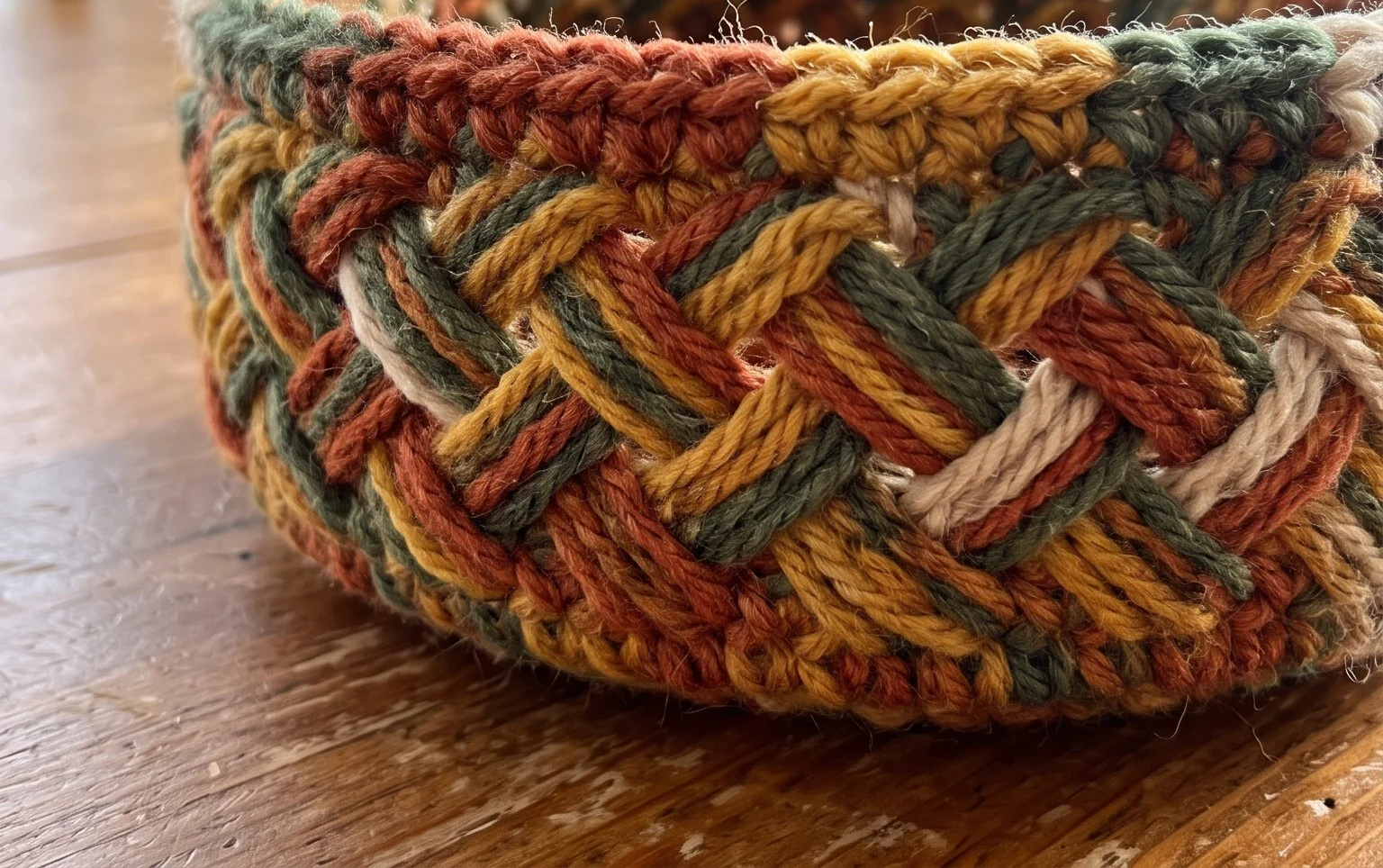
The finished basket provides a firm and reliable home for your craft supplies or spare towels. You can modify the size by adding or subtracting foundation chains, or try using a chunkier rope-style yarn for an even stiffer structure. Sharing a photo of your finished basket on Instagram or Facebook helps other makers see the potential of this design. Feel free to browse through the rest of the blog for more free patterns to fill your home with handmade storage solutions.